What If Product Sampling Could Talk Back? Meet Boxes Smart Retail
Fernando Machin Gojdycz , CEO of Boxes, has the answers.
Product sampling has always been a simple idea: let people try something before they buy it. But what if that experience could do more than introduce a product? What if it could answer questions, collect feedback, and encourage customers to take the next step?
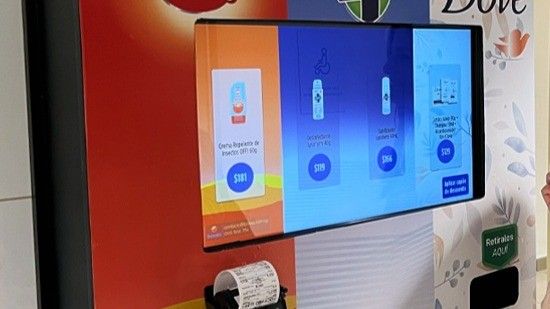
That is the idea behind Boxes Smart Retail Platform, a technology solution that combines physical product sampling with interactive digital experiences.
Turning Product Discovery Into an Interactive Experience
Traditionally, a product display or sampling station gives customers a chance to try something new. However, once the interaction ends, brands often have limited insight into what customers thought or whether they eventually made a purchase.
Boxes takes a different approach. Its smart retail devices let shoppers discover products, engage with digital experiences, respond to surveys, participate in gamified activities, and receive digital coupons.
As a result, product sampling becomes more than a one-time encounter. It gives brands an opportunity to connect physical experiences with digital engagement and potential sales.
Where AI Meets Physical Retail
One particularly interesting aspect is the integration of conversational AI.
In a case study published by IBM, Boxes explored using IBM watsonx Assistant to help shoppers ask questions about brands and products while sampling items through its devices.
Think about what this could mean for retail. Instead of searching online for product information, customers could interact with a smart device at the point of discovery. The technology creates an opportunity to make product information more accessible precisely when curiosity is highest.
Moreover, this approach could work across different environments, including retail stores, university campuses, sports stadiums, and airports. Each setting presents an opportunity to connect with consumers in a more engaging and measurable way.
From Customer Engagement to Useful Insights
The bigger opportunity extends beyond the technology itself. Brands can use interactive campaigns to explore questions about customer behaviour and product discovery.
For example, a consumer goods company might investigate which product questions shoppers ask most frequently, compare engagement across locations, or measure whether digital coupons encourage repeat purchases.
When campaigns are designed around clear objectives, these interactions can become practical experiments. Brands can learn from real-world customer behaviour rather than relying entirely on assumptions.
Of course, meaningful results depend on how campaigns are measured, what data is collected, and how customer privacy is protected.
Why Tech Enthusiasts Should Take a Look
Boxes Smart Retail illustrates an exciting direction for retail technology: connecting physical products, AI-powered conversations, and digital engagement in one customer journey.
The interesting question is no longer just how to distribute samples. It is how to make every product interaction more useful for both the customer and the brand.
Want to explore what this looks like in practice?
Visit the Boxes Smart Retail Platform, explore its retail devices, and watch a product-dispensing demonstration on YouTube.